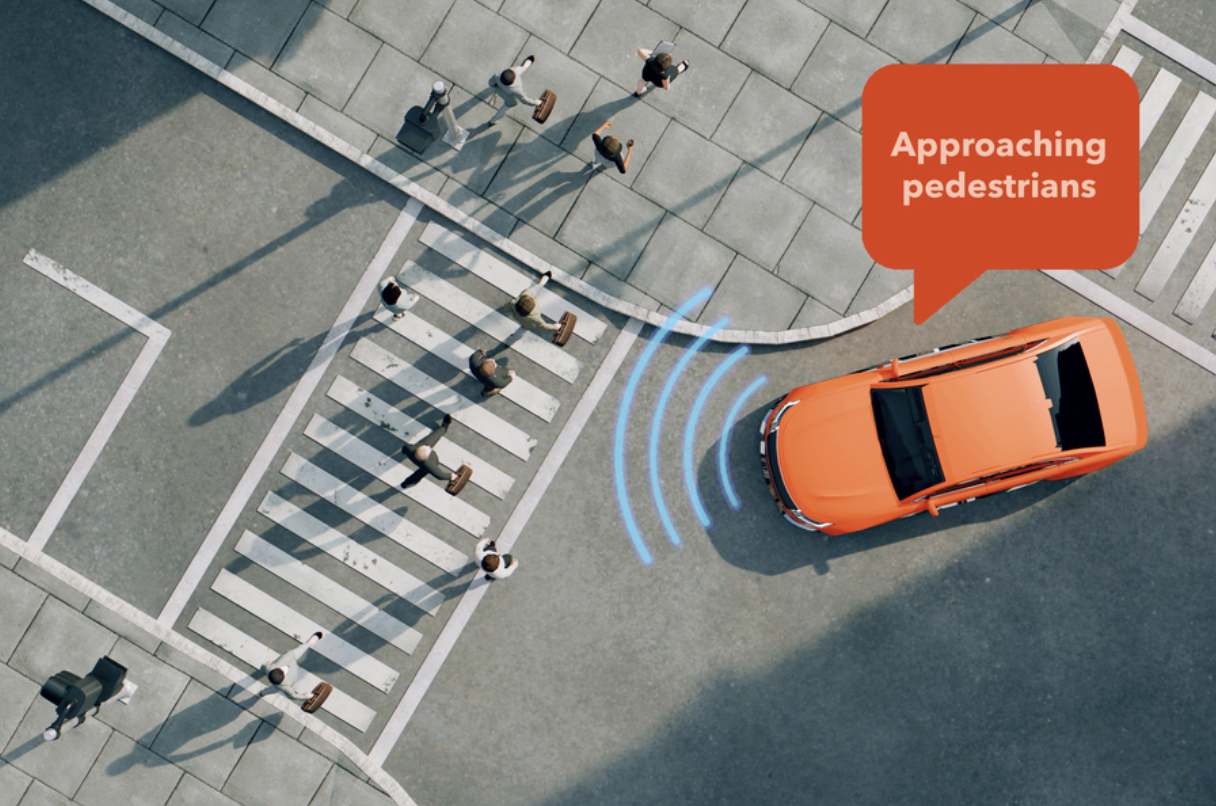
Self-driving cars are often controlled by deep learning models that sometimes fail in unexpected situations. For instance, the car might inexplicably brake and block the path of an oncoming emergency vehicle. A human driver or passenger may need to react rapidly to prevent a collision.
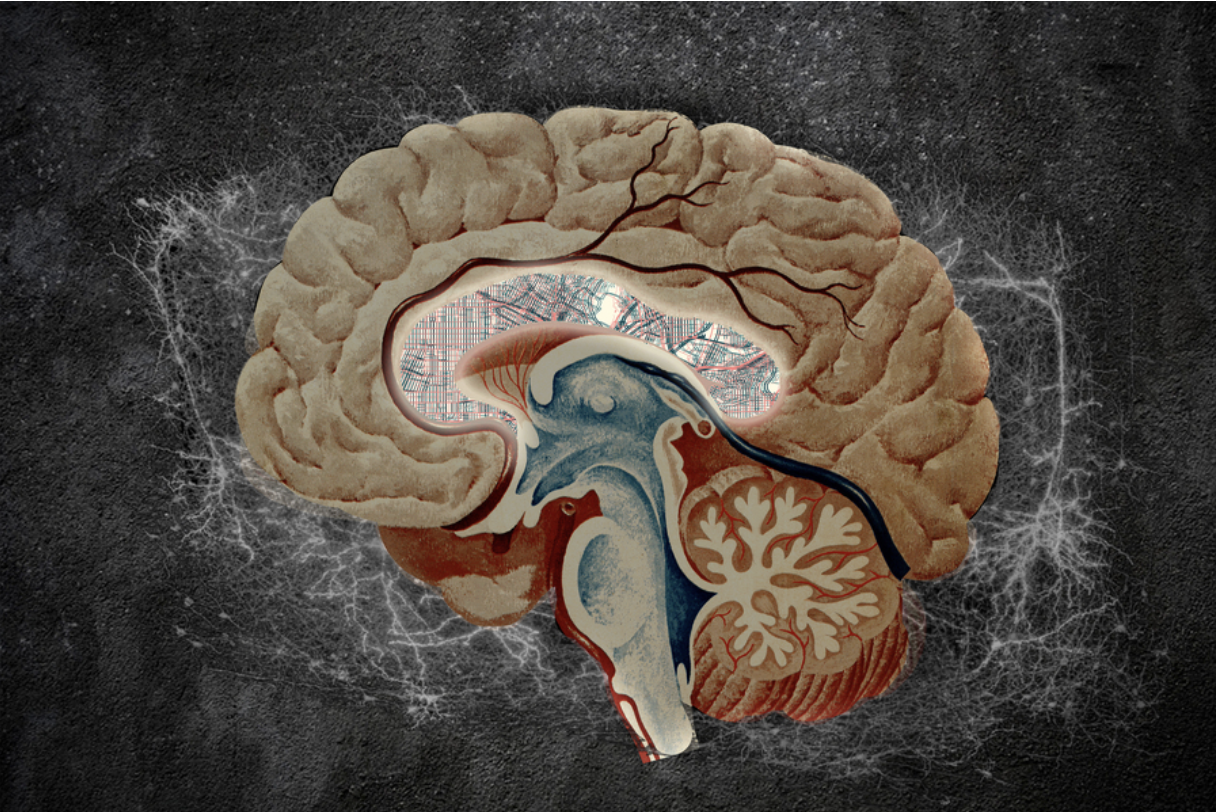
A region of the brain called the striatum is critical for many cognitive and motor functions, including decision-making, control of movement, habit formation, and processing of reward. It also plays a role in addiction and is significantly affected by Huntington’s disease, schizophrenia, and other disorders.
It all started with some exasperated emails. Back in 2009, a group of researchers began venting their frustration with the programming languages designed to help scientists and other researchers perform complex mathematical operations and statistical simulations without learning how to code. These programming languages were rigid and slow. If scientists built something that really worked, they’d need to rewrite the entire program in another language just to run it more quickly.
When an AI image generator produces a portrait, whose work went into it? The question sits at the center of lawsuits, licensing deals, and proposed regulations worldwide. Artists want credit. Companies want clarity. Policymakers want a way to assign responsibility.
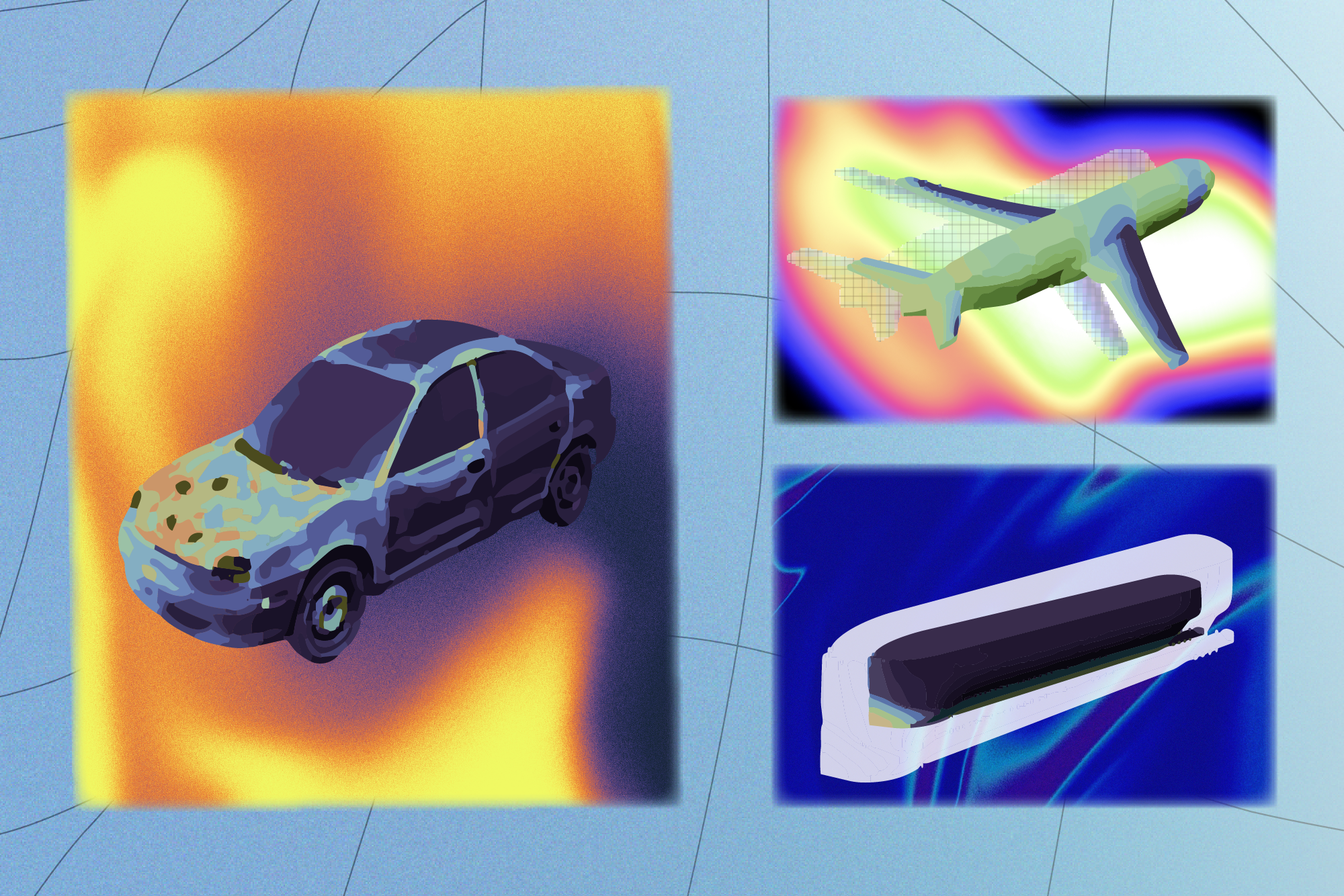
Artificial intelligence models are jacks of many trades, including writing, generating images, and creating 3D models. But they aren’t as helpful when it comes to testing robots or designs for vehicles in diverse environments, since they don’t understand physics as well as they do pixels or text.
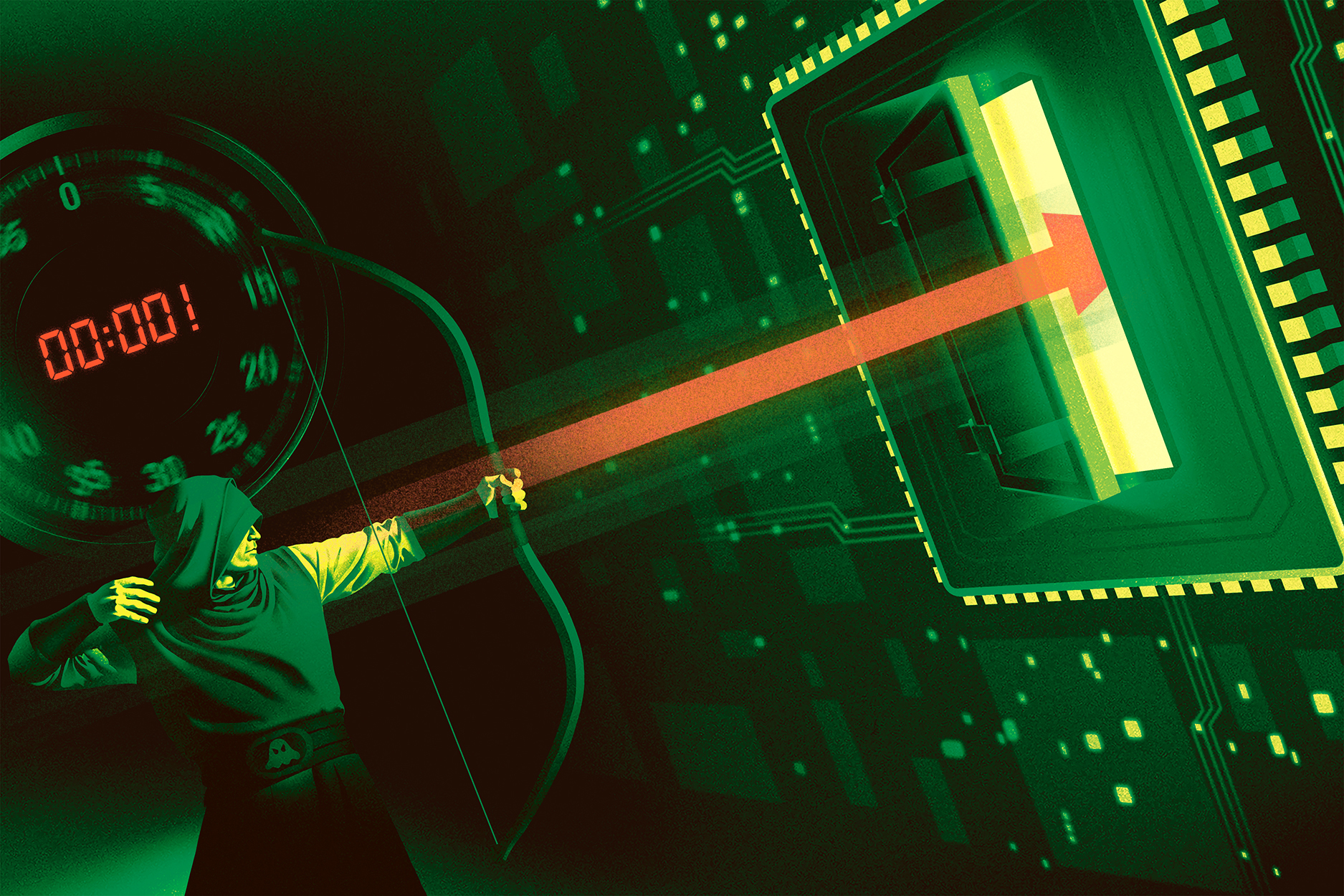
Modern processors are fast in part because they guess. Rather than waiting to find out which way a program will branch, a chip predicts the likely path and races ahead. When the guess is right, time is saved. When it's wrong, the work is discarded, but traces of it linger, and since the Spectre vulnerability was disclosed in 2018, attackers have known how to read those traces to pull secrets out of memory they should never see.
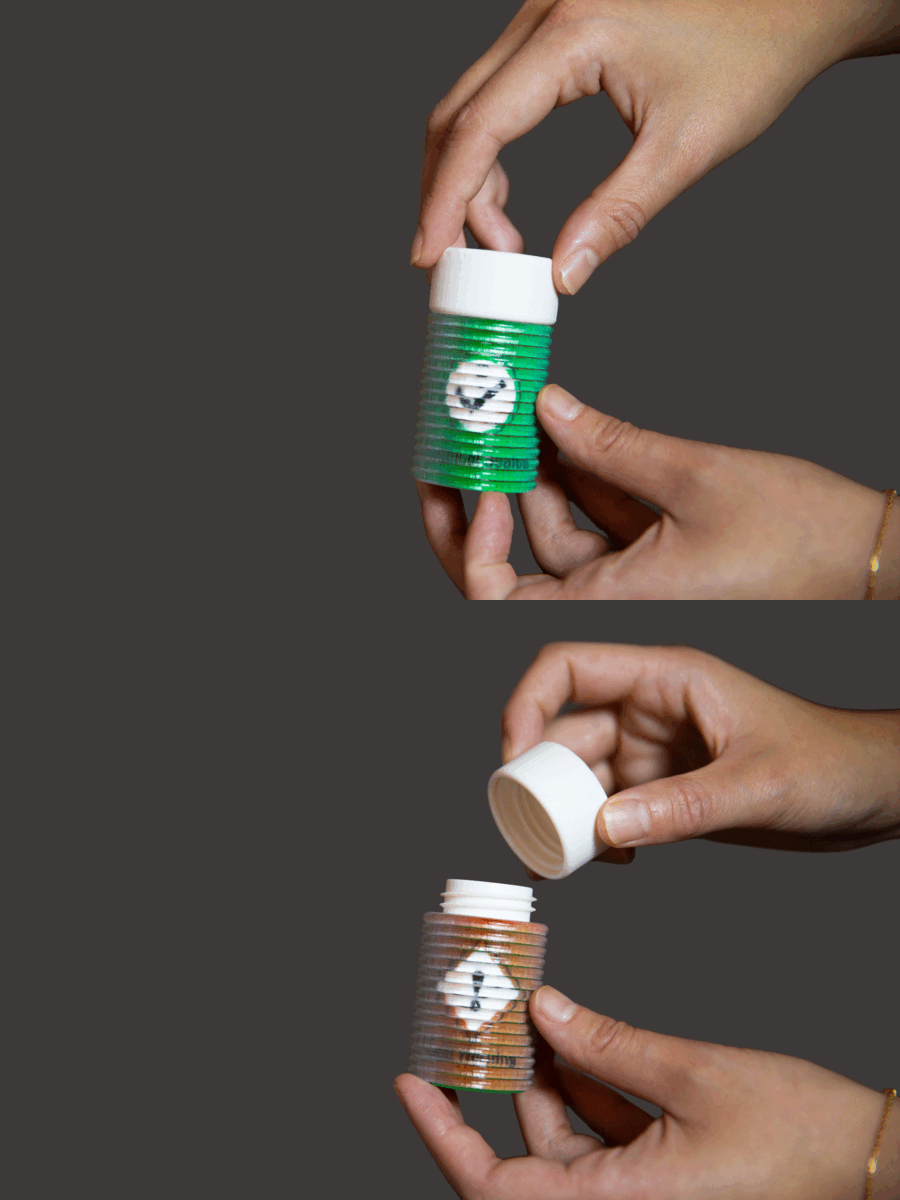
Imagine a bottle of hazardous chemicals sitting on a laboratory shelf that changes its appearance to alert scientists that its lid is not properly secured, potentially preventing a dangerous spill.
Daniela Rus, Director of MIT CSAIL and the Panasonic Professor of Computer Science, has received the 2026 High-Tech Prize of the Bavarian Minister-President for her contributions to robotics, artificial intelligence, and autonomous systems.
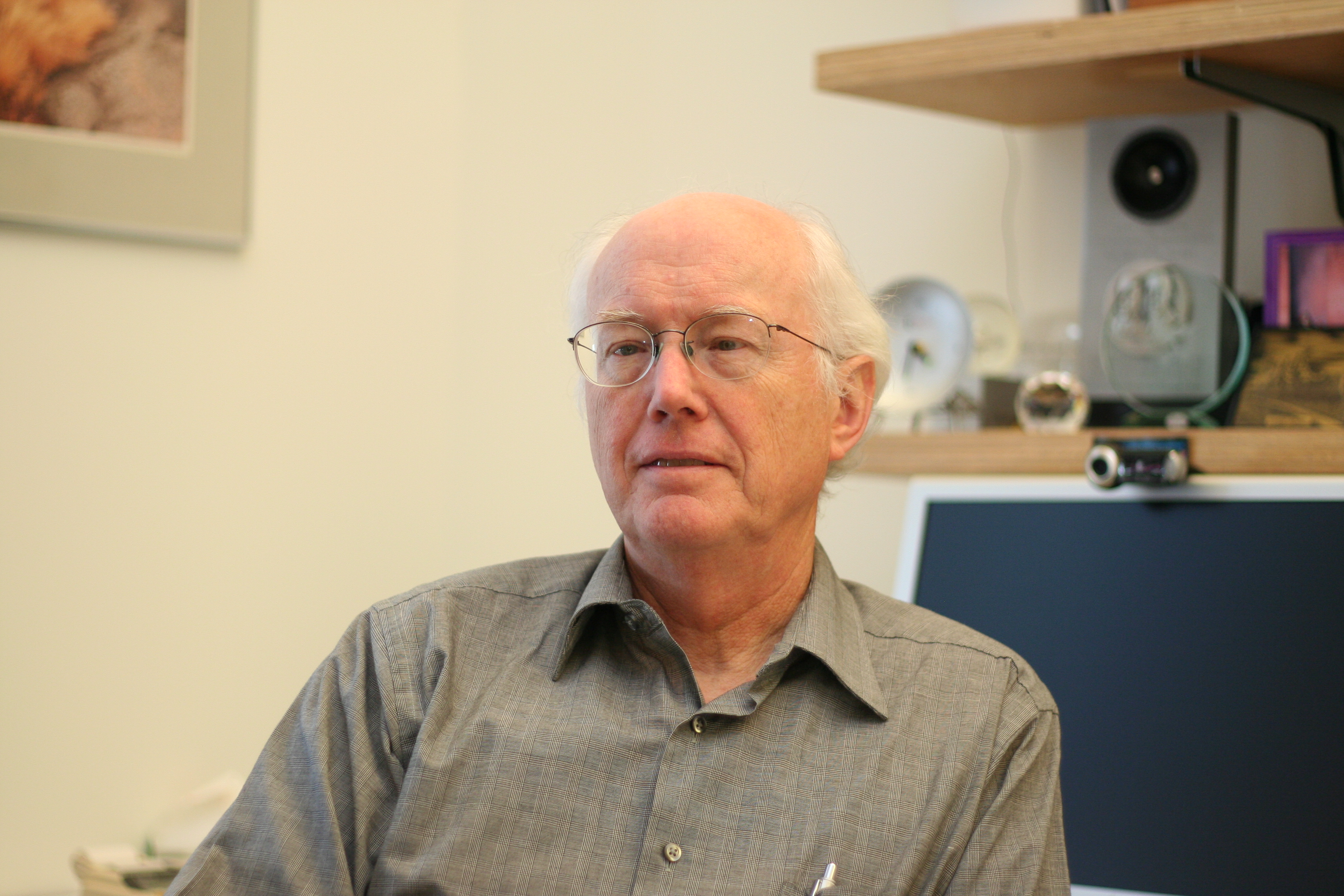
In his recent conversation on Building 32, MIT CSAIL Senior Research Scientist David Clark tells a story from 1995 when he got into a conversation with an economist and friend of his. “He said, ‘David, you have to understand the internet is about routing money, and routing packets is a side effect. And you screwed up the money routing protocols.’ And I said, ‘I didn't design any money routing protocols.’ And he said, ‘that's what I said.’”