The mission of the MIT Stephen A. Schwarzman College of Computing is to address the opportunities and challenges of the computing age — from hardware to software to algorithms to artificial intelligence (AI) — by transforming the capabilities of academia in three key areas: supporting the rapid evolution and growth of computer science and AI; facilitating collaborations between computing and other disciplines; and focusing on social and ethical responsibilities of computing through combining technological approaches and insights from social science and humanities, and through engagement beyond academia.
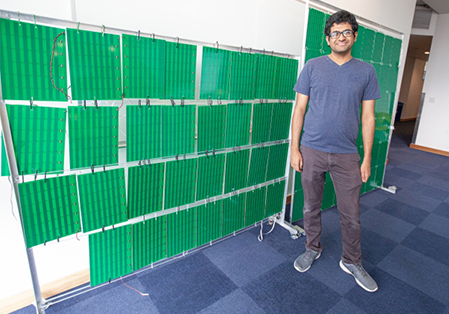
Researchers from MIT's Computer Science and Artificial Intelligence Laboratory (CSAIL) looked at the 5G problem recently and wondered if people have had things completely backwards this whole time. Rather than focusing on the transmitters and receivers, what if we could amplify the signal by adding antennas to an external surface in the environment itself?
“It’s important to have balanced, high-throughput routing in PCNs to ensure the money that users put into joint accounts is used efficiently,” says first author Vibhaalakshmi Sivaraman, a graduate student in the Computer Science and Artificial Intelligence Laboratory (CSAIL).
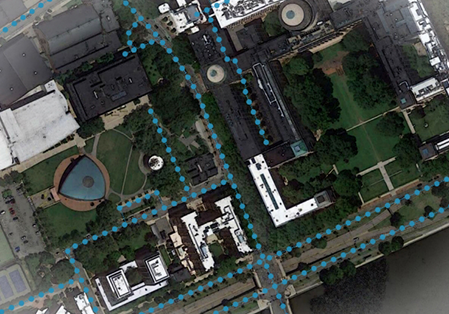
“Most updated digital maps are from places that big companies care the most about. If you’re in places they don’t care about much, you’re at a disadvantage with respect to the quality of map,” says co-author Sam Madden, a professor in the Department of Electrical Engineering and Computer Science (EECS) and a researcher in the Computer Science and Artificial Intelligence Laboratory (CSAIL). “Our goal is to automate the process of generating high-quality digital maps, so they can be available in any country.”