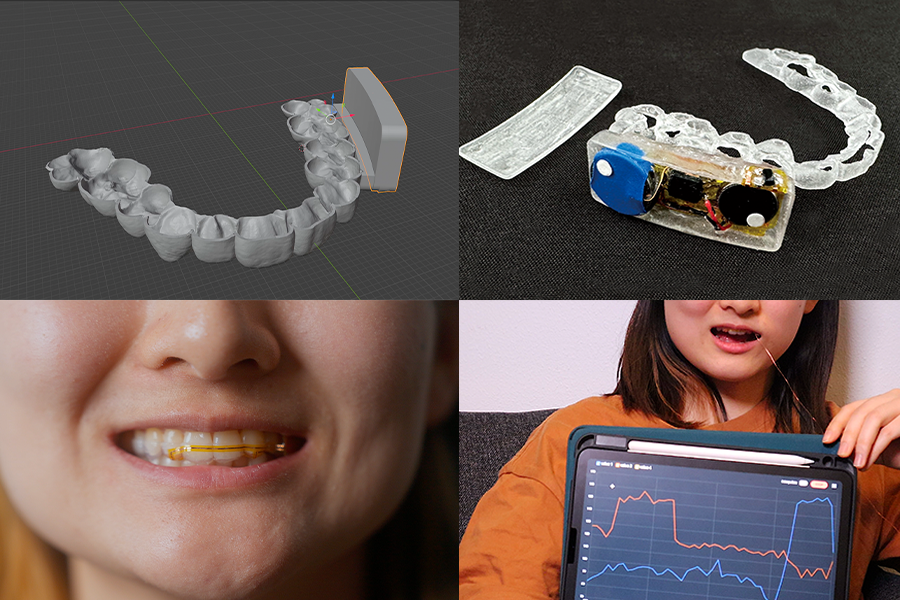
When you think about hands-free devices, you might picture Alexa and other voice-activated in-home assistants, Bluetooth earpieces, or asking Siri to make a phone call in your car. You might not imagine using your mouth to communicate with other devices like a computer or a phone remotely.
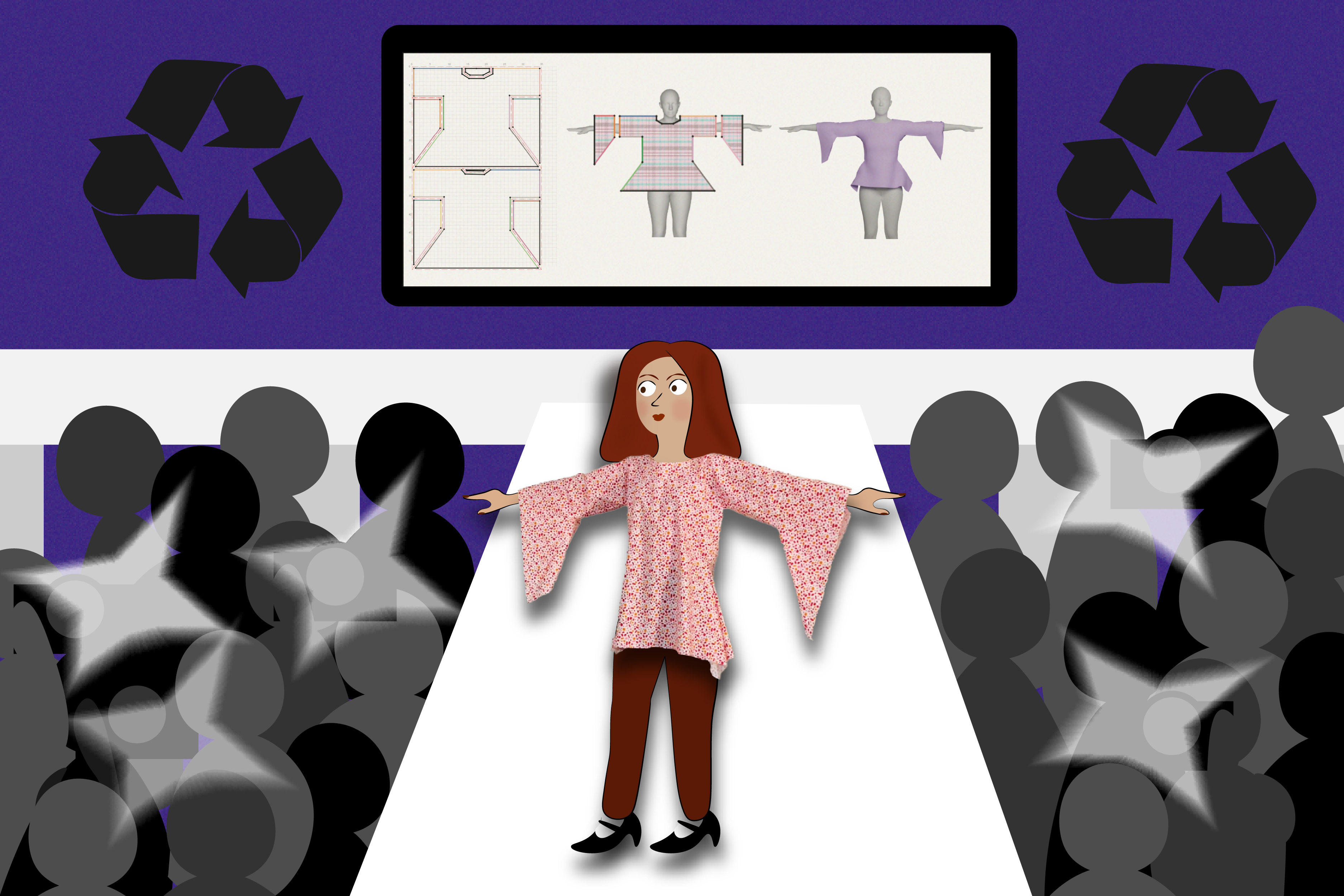
What does sustainable fashion design have in common with Tetris? For both, an intriguing puzzle awaits, where you must configure unique shapes in a way that fills up the available space.
Despite their impressive capabilities, large language models are far from perfect. These artificial intelligence models sometimes “hallucinate” by generating incorrect or unsupported information in response to a query.
Frontier AI Safety & Policy Panel: Where We're at & Where We're Headed – Perspectives from the UK
It's been around a year since chatbots became widespread and governments worldwide turned their attention to advanced AI safety and governance. In this event co-hosted by MIT CSAIL Alliances, the MIT-UK program and the UK government’s AI Safety Institute, we will discuss the current state of research and where we're headed. Questions to be answered include: How will we control and govern AI agents?
Multimaterial 3D printing enables makers to fabricate customized devices with multiple colors and varied textures. But the process can be time-consuming and wasteful because existing 3D printers must switch between multiple nozzles, often discarding one material before they can start depositing another.
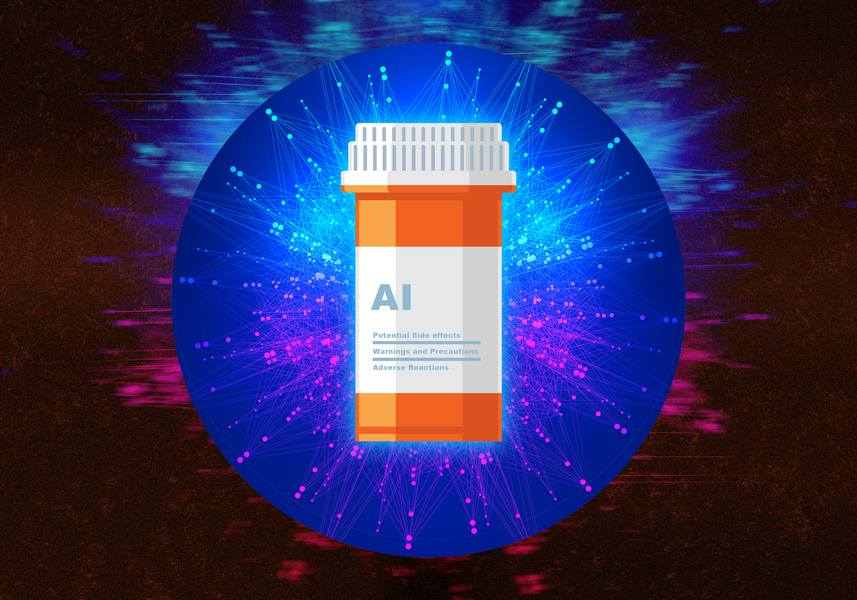
AI systems are increasingly being deployed in safety-critical health care situations. Yet these models sometimes hallucinate incorrect information, make biased predictions, or fail for unexpected reasons, which could have serious consequences for patients and clinicians.
To the untrained eye, a medical image like an MRI or X-ray appears to be a murky collection of black-and-white blobs. It can be a struggle to decipher where one structure (like a tumor) ends and another begins.
As artificial intelligence agents become more advanced, it could become increasingly difficult to distinguish between AI-powered users and real humans on the internet. In a new white paper, researchers from MIT, OpenAI, Microsoft, and other tech companies and academic institutions propose the use of personhood credentials, a verification technique that enables someone to prove they are a real human online, while preserving their privacy.
Because machine-learning models can give false predictions, researchers often equip them with the ability to tell a user how confident they are about a certain decision. This is especially important in high-stake settings, such as when models are used to help identify disease in medical images or filter job applications.