A growing number of tools enable users to make online data representations, like charts, that are accessible for people who are blind or have low vision. However, most tools require an existing visual chart that can then be converted into an accessible format.
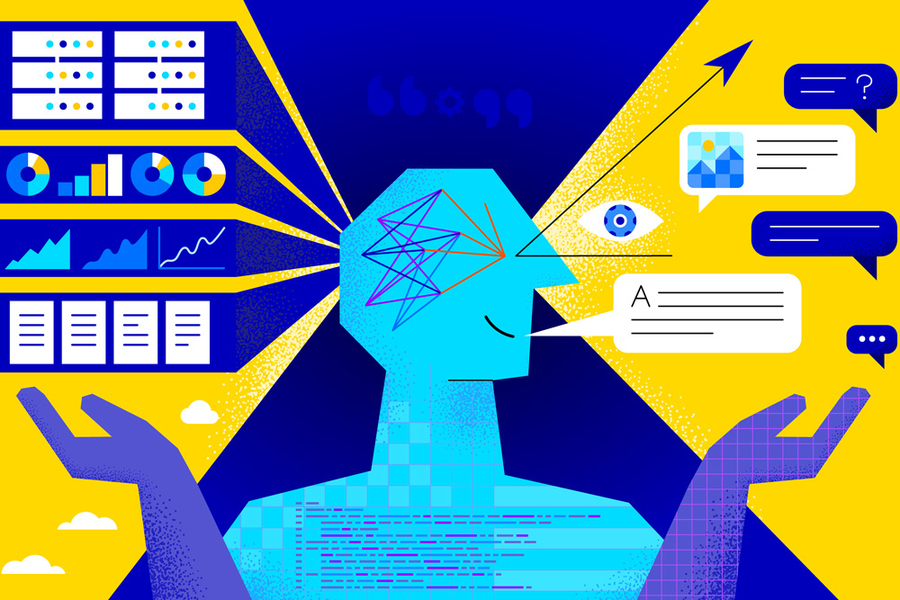
Large language models, such as those that power popular artificial intelligence chatbots like ChatGPT, are incredibly complex. Even though these models are being used as tools in many areas, such as customer support, code generation, and language translation, scientists still don’t fully grasp how they work.
Three MIT Computer Science and Artificial Intelligence Laboratory (CSAIL) members are among 126 early-career researchers honored with 2024 Sloan Research Fellowships by the Alfred P. Sloan Foundation. Representing the departments of Chemistry, Electrical Engineering and Computer Science, and Physics, and the MIT Sloan School of Management, the awardees will receive a two-year, $75,000 fellowship to advance their research.
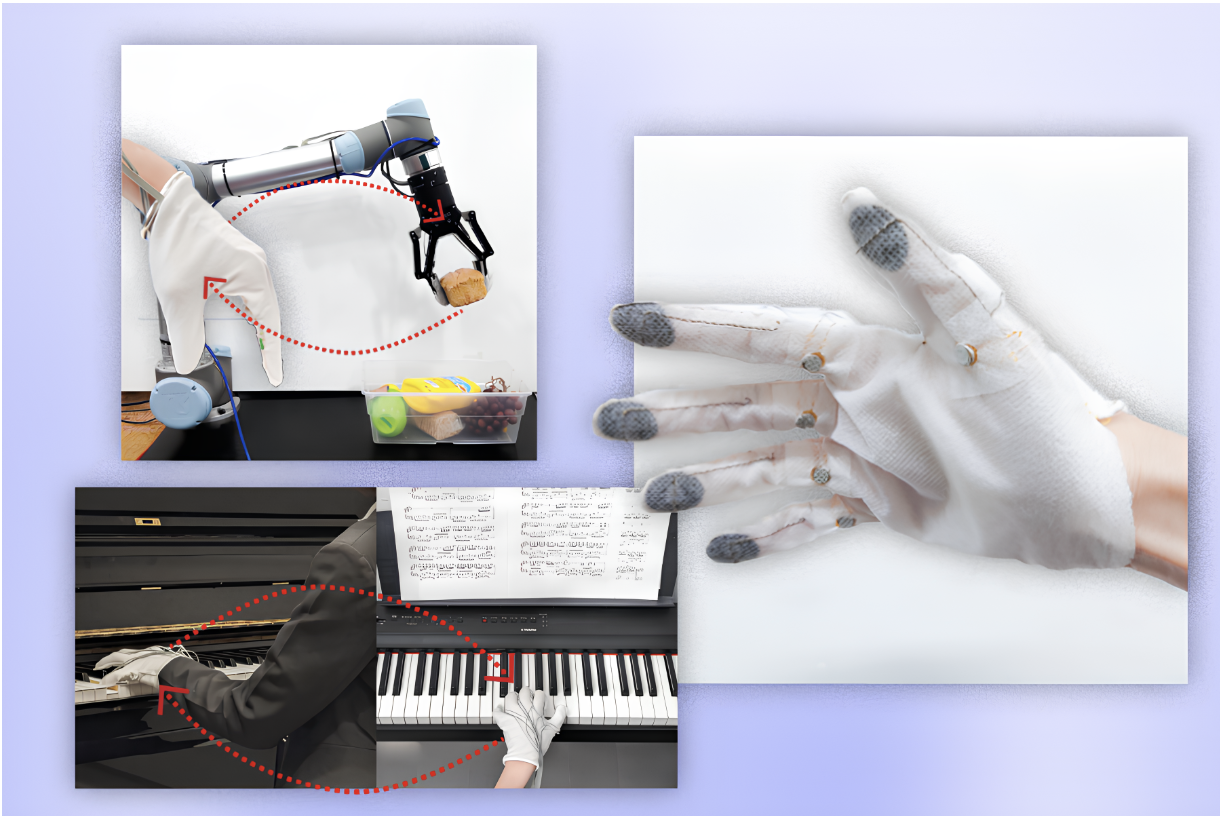
You’ve likely met someone who identifies as a visual or auditory learner, but others absorb knowledge through a different modality: touch. Being able to understand tactile interactions is especially important for tasks such as learning delicate surgeries and playing musical instruments, but unlike video and audio, touch is difficult to record and transfer.
To teach an AI agent a new task, like how to open a kitchen cabinet, researchers often use reinforcement learning — a trial-and-error process where the agent is rewarded for taking actions that get it closer to the goal.
A quick scan of the headlines makes it seem like generative artificial intelligence is everywhere these days. In fact, some of those headlines may actually have been written by generative AI, like OpenAI’s ChatGPT, a chatbot that has demonstrated an uncanny ability to produce text that seems to have been written by a human.
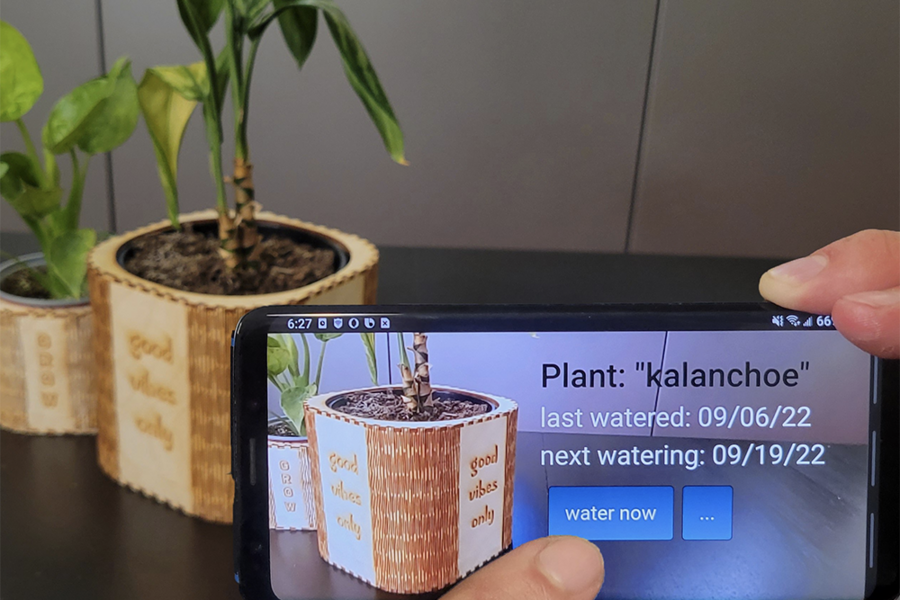
To get a sense of what StructCode is all about, says Mustafa Doğa Doğan, think of Superman. Not the “faster than a speeding bullet” and “more powerful than a locomotive” version, but a Superman, or Superwoman, who sees the world differently from ordinary mortals — someone who can look around a room and glean all kinds of information about ordinary objects that is not apparent to people with less penetrating faculties.