In 2012, the best language models were small recurrent networks that struggled to form coherent sentences. Fast forward to today, and large language models like GPT-4 outperform most students on the SAT. How has this rapid progress been possible?
Peripheral vision enables humans to see shapes that aren’t directly in our line of sight, albeit with less detail. This ability expands our field of vision and can be helpful in many situations, such as detecting a vehicle approaching our car from the side.
Before a robot can grab dishes off a shelf to set the table, it must ensure its gripper and arm won’t crash into anything and potentially shatter the fine china. As part of its motion planning process, a robot typically runs “safety check” algorithms that verify its trajectory is collision-free.
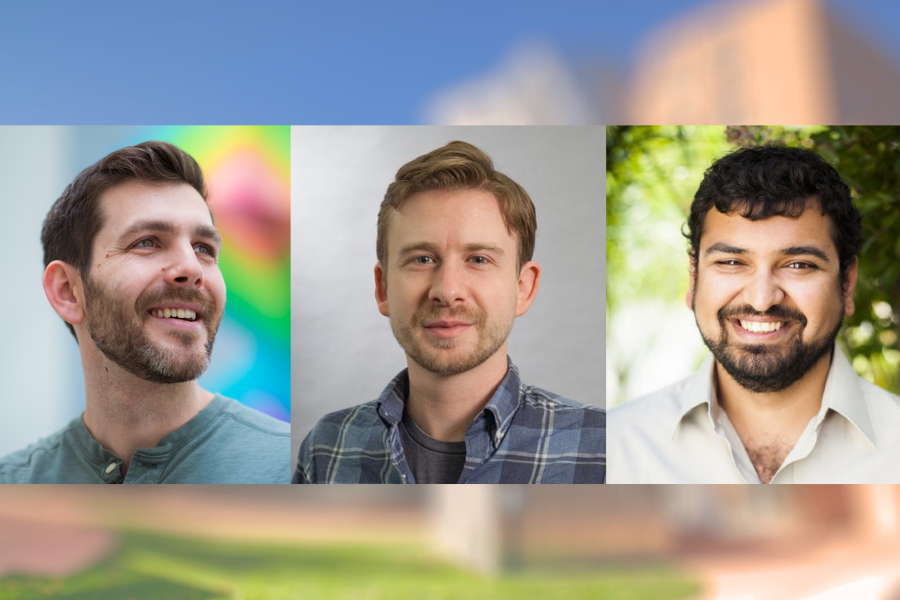
Three MIT Computer Science and Artificial Intelligence Laboratory (CSAIL) members are among 126 early-career researchers honored with 2024 Sloan Research Fellowships by the Alfred P. Sloan Foundation. Representing the departments of Chemistry, Electrical Engineering and Computer Science, and Physics, and the MIT Sloan School of Management, the awardees will receive a two-year, $75,000 fellowship to advance their research.
Pollsters trying to predict presidential election results and physicists searching for distant exoplanets have at least one thing in common: They often use a tried-and-true scientific technique called Bayesian inference.
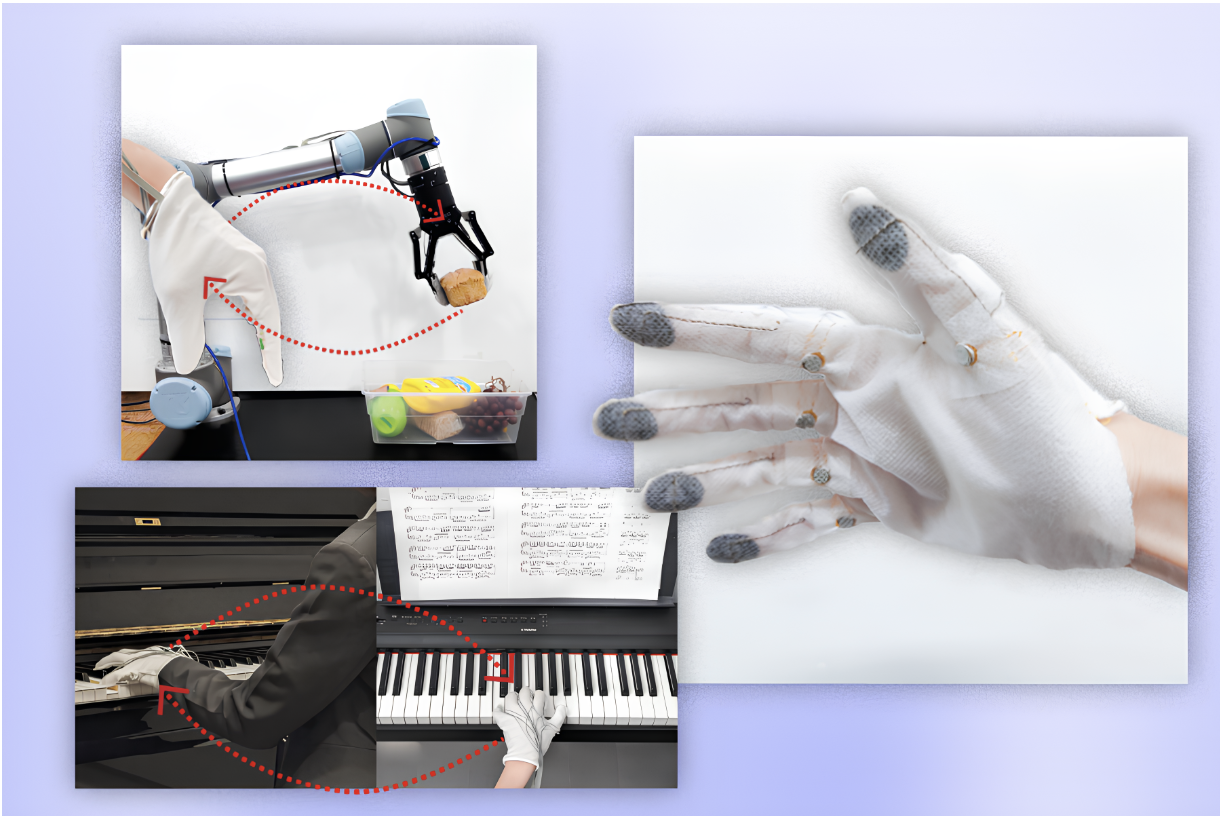
You’ve likely met someone who identifies as a visual or auditory learner, but others absorb knowledge through a different modality: touch. Being able to understand tactile interactions is especially important for tasks such as learning delicate surgeries and playing musical instruments, but unlike video and audio, touch is difficult to record and transfer.