Pollsters trying to predict presidential election results and physicists searching for distant exoplanets have at least one thing in common: They often use a tried-and-true scientific technique called Bayesian inference.
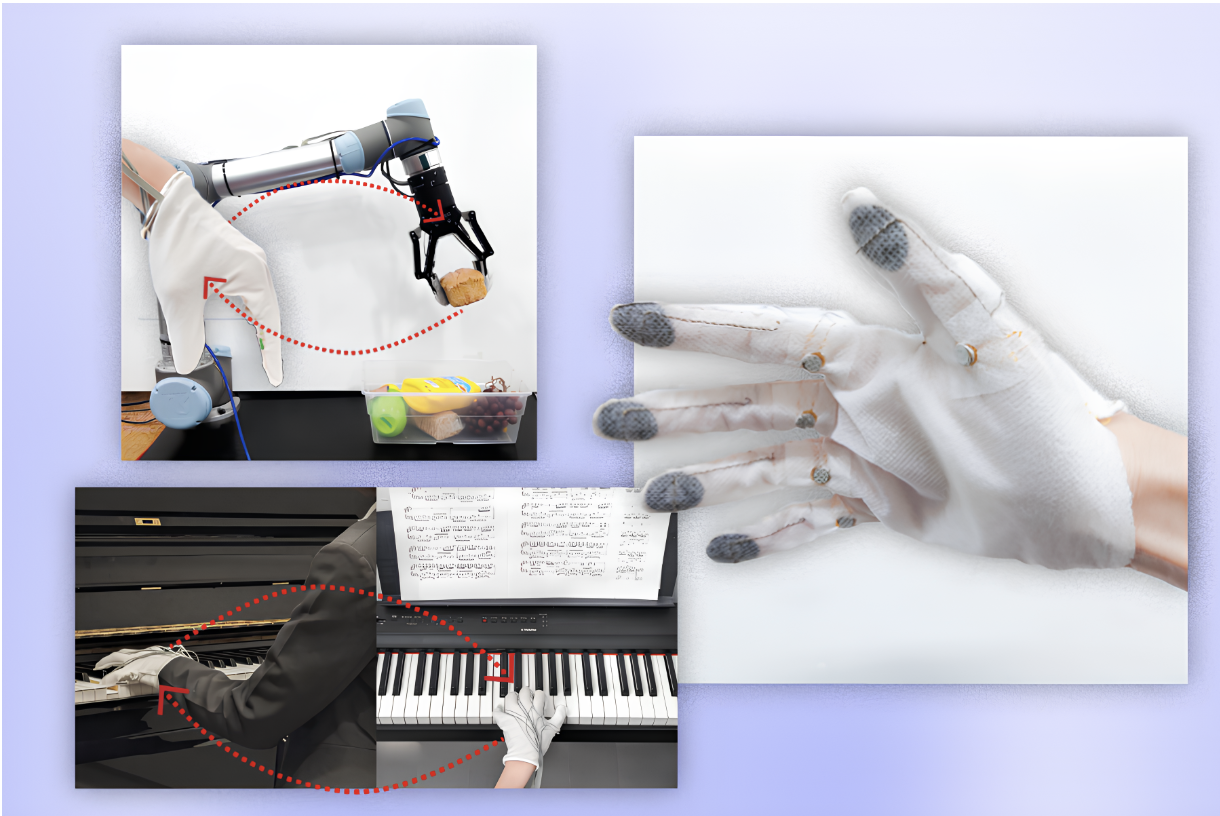
You’ve likely met someone who identifies as a visual or auditory learner, but others absorb knowledge through a different modality: touch. Being able to understand tactile interactions is especially important for tasks such as learning delicate surgeries and playing musical instruments, but unlike video and audio, touch is difficult to record and transfer.
MIT engineers developed a tag that can reveal with near-perfect accuracy whether an item is real or fake. The key is in the glue on the back of the tag.
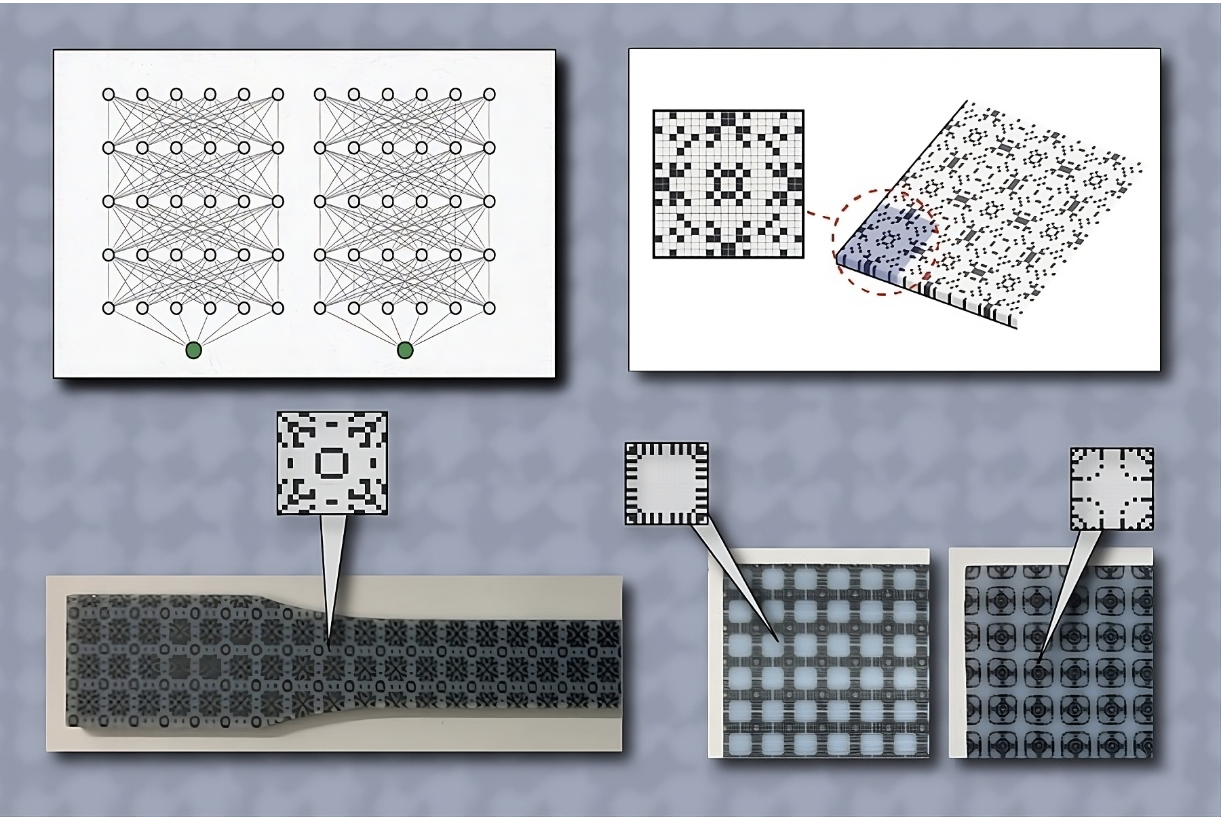
Every time you smoothly drive from point A to point B, you're not just enjoying the convenience of your car, but also the sophisticated engineering that makes it safe and reliable. Beyond its comfort and protective features lies a lesser-known yet crucial aspect: the expertly optimized mechanical performance of microstructured materials. These materials, integral yet often unacknowledged, are what fortify your vehicle, ensuring durability and strength on every journey.
Behrooz Tahmasebi — an MIT PhD student in the Department of Electrical Engineering and Computer Science (EECS) and an affiliate of the Computer Science and Artificial Intelligence Laboratory (CSAIL) — was taking a mathematics course on differential equations in late 2021 when a glimmer of inspiration struck.
Hundreds of participants from around the world joined the sixth annual MIT Policy Hackathon to develop data-informed policy solutions to challenges in health, housing, and more.