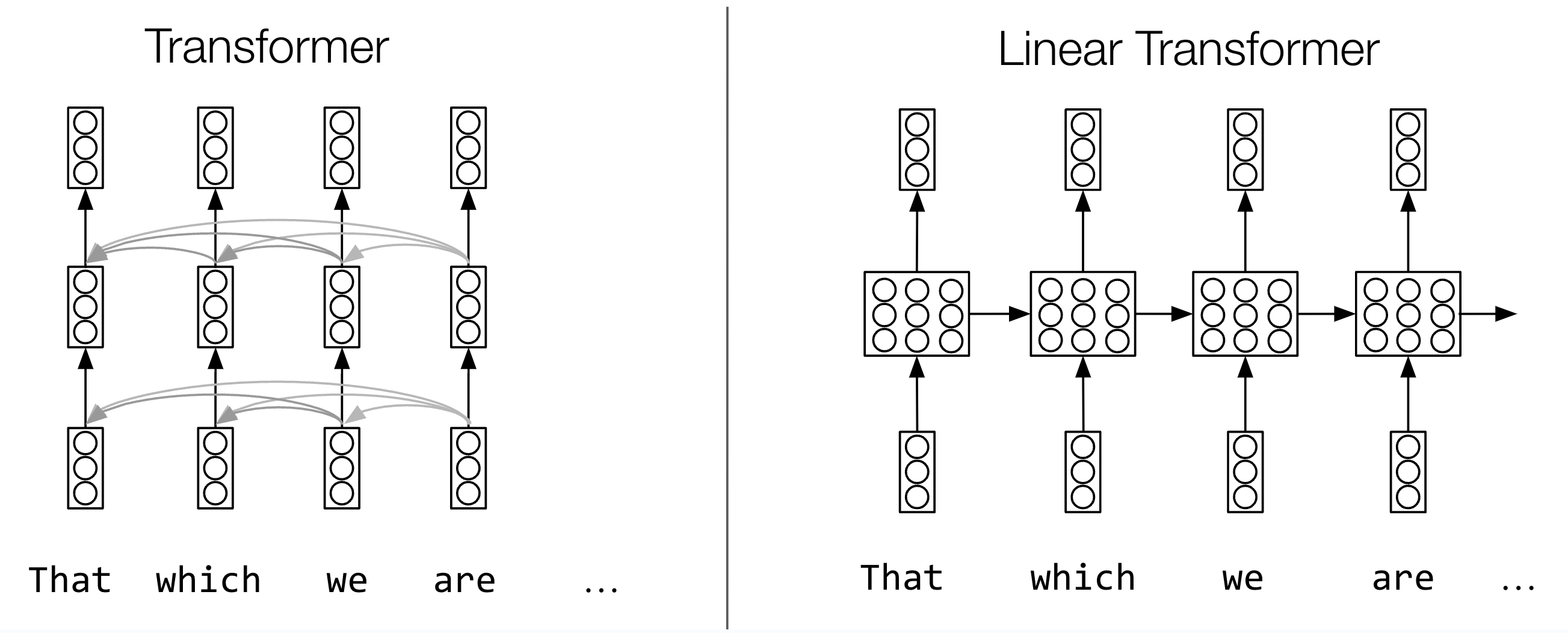
Generative AI systems like large language models rely heavily on deep learning - and, in particular, transformers. Transformers make use of an “attention mechanism” for modeling interactions among inputs, which essentially involves doing nonlinear pairwise comparison between inputs and assigning different weights to tokens in a sequence, enabling a prioritization of some over others. The empirical effectiveness of this attention mechanism has led some in the community to claim that attention is “all you need” (the title of the original 2017 Google paper that introduced transformers).
The Irish philosopher George Berkely, best known for his theory of immaterialism, once famously mused, “If a tree falls in a forest and no one is around to hear it, does it make a sound?”
This publication explores how these new technologies will transform the way we build database management software, creating new systems that can ingest, store, process, and query all data.
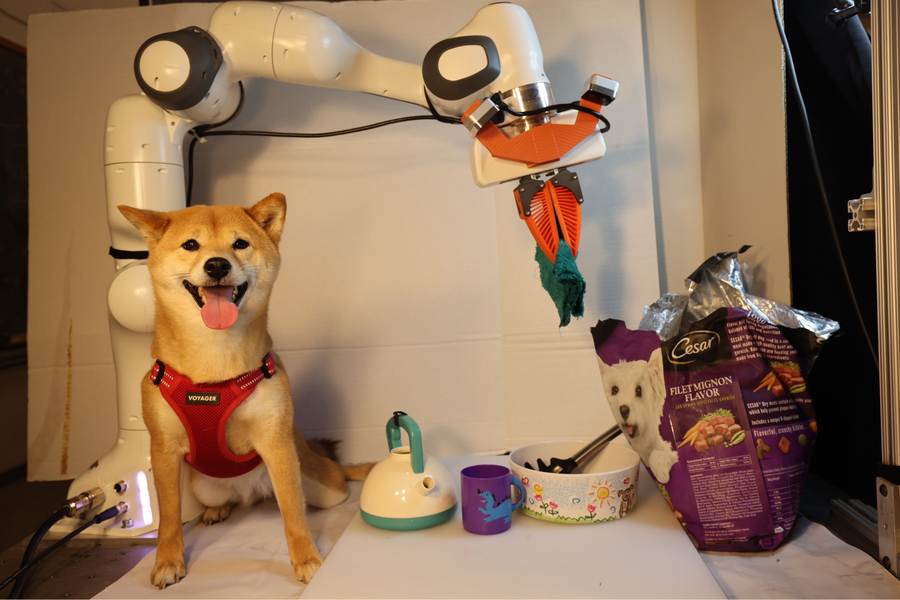
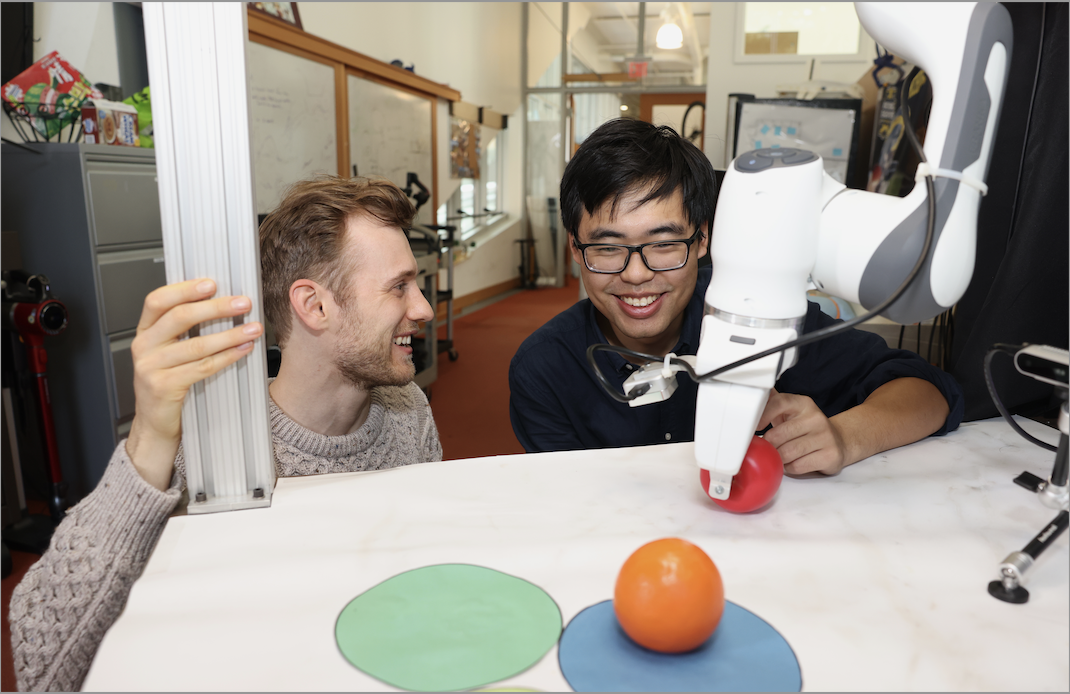
For roboticists, one challenge towers above all others: generalization – the ability to create machines that can adapt to any environment or condition. Since the 1970s, the field has evolved from writing sophisticated programs to using deep learning, teaching robots to learn directly from human behavior. But a critical bottleneck remains: data quality. To improve, robots need to encounter scenarios that push the boundaries of their capabilities, operating at the edge of their mastery.
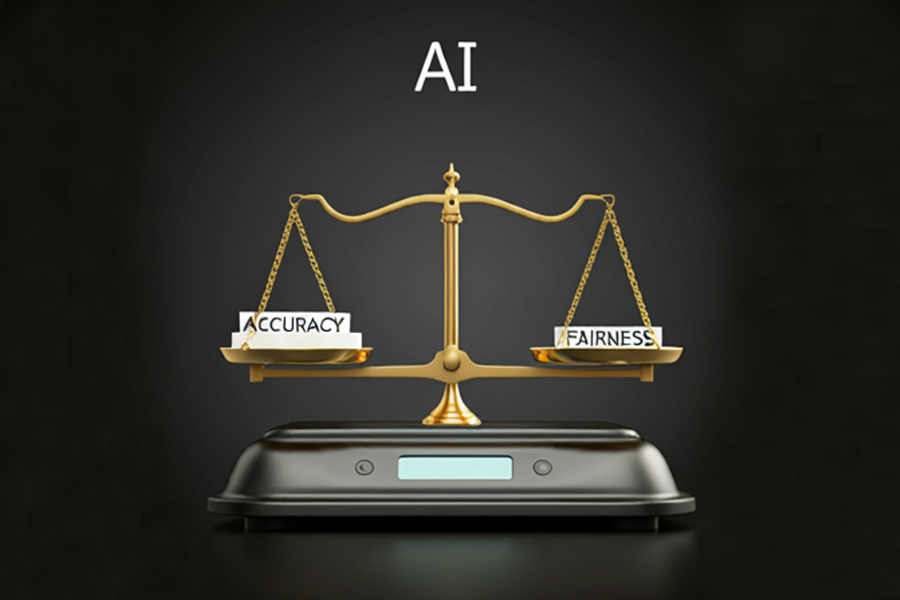
Two of the trickiest qualities to balance in the world of machine learning are fairness and accuracy. Algorithms optimized for accuracy may unintentionally perpetuate bias against specific groups, while those prioritizing fairness may compromise accuracy by misclassifying some data points.
In the classic cartoon “The Jetsons,” Rosie the robotic maid seamlessly switches from vacuuming the house to cooking dinner to taking out the trash. But in real life, training a general-purpose robot remains a major challenge.
Despite their impressive capabilities, large language models are far from perfect. These artificial intelligence models sometimes “hallucinate” by generating incorrect or unsupported information in response to a query.
In the current AI zeitgeist, sequence models have skyrocketed in popularity for their ability to analyze data and predict what to do next. For instance, you’ve likely used next-token prediction models like ChatGPT, which anticipate each word (token) in a sequence to form answers to users’ queries. There are also full-sequence diffusion models like Sora, which convert words into dazzling, realistic visuals by successively “denoising” an entire video sequence