Filter Options
Date
Image
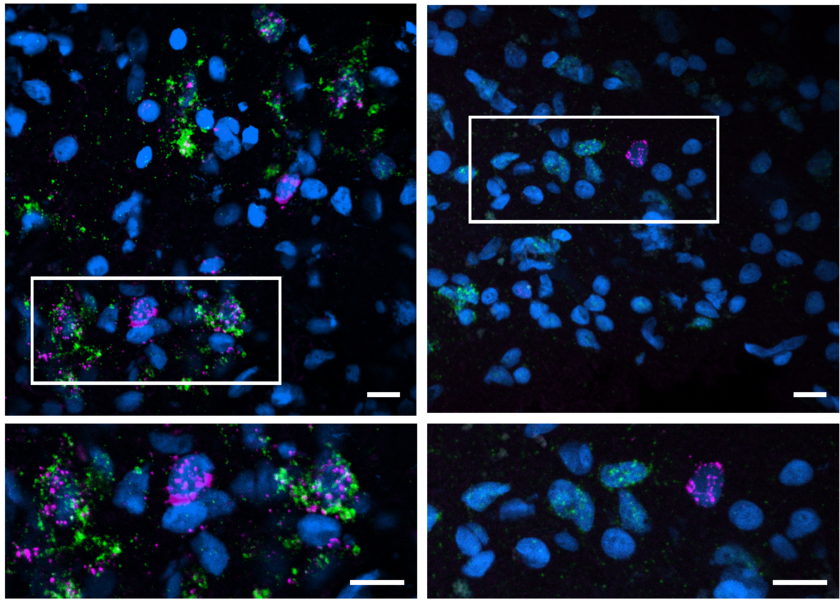
An analysis of human brain samples ooking for factors associated with neural vulnerability and cognitive resilience amid Alzheimer's disease (Credit: Tsai Lab/The Picower Institute).
CSAIL article

An MIT study published today in Nature provides new evidence for how specific cells and circuits become vulnerable in Alzheimer’s disease, and hones in on other factors that may help some people show resilience to cognitive decline, even amid clear signs of disease pathology. To highlight potential targets for interventions to sustain cognition and memory, the authors engaged in a novel comparison of gene expression across multiple brain regions in people with or without Alzheimer’s disease, and conducted lab experiments to test and validate their major findings.

Image
alt="The automated, multimodal approach developed by MIT researchers interprets artificial vision models that evaluate the properties of images (Credits: iStock)."
CSAIL article

As artificial intelligence models become increasingly prevalent and are integrated into diverse sectors like health care, finance, education, transportation, and entertainment, understanding how they work under the hood is critical. Interpreting the mechanisms underlying AI models enables us to audit them for safety and biases, with the potential to deepen our understanding of the science behind intelligence itself.

Image
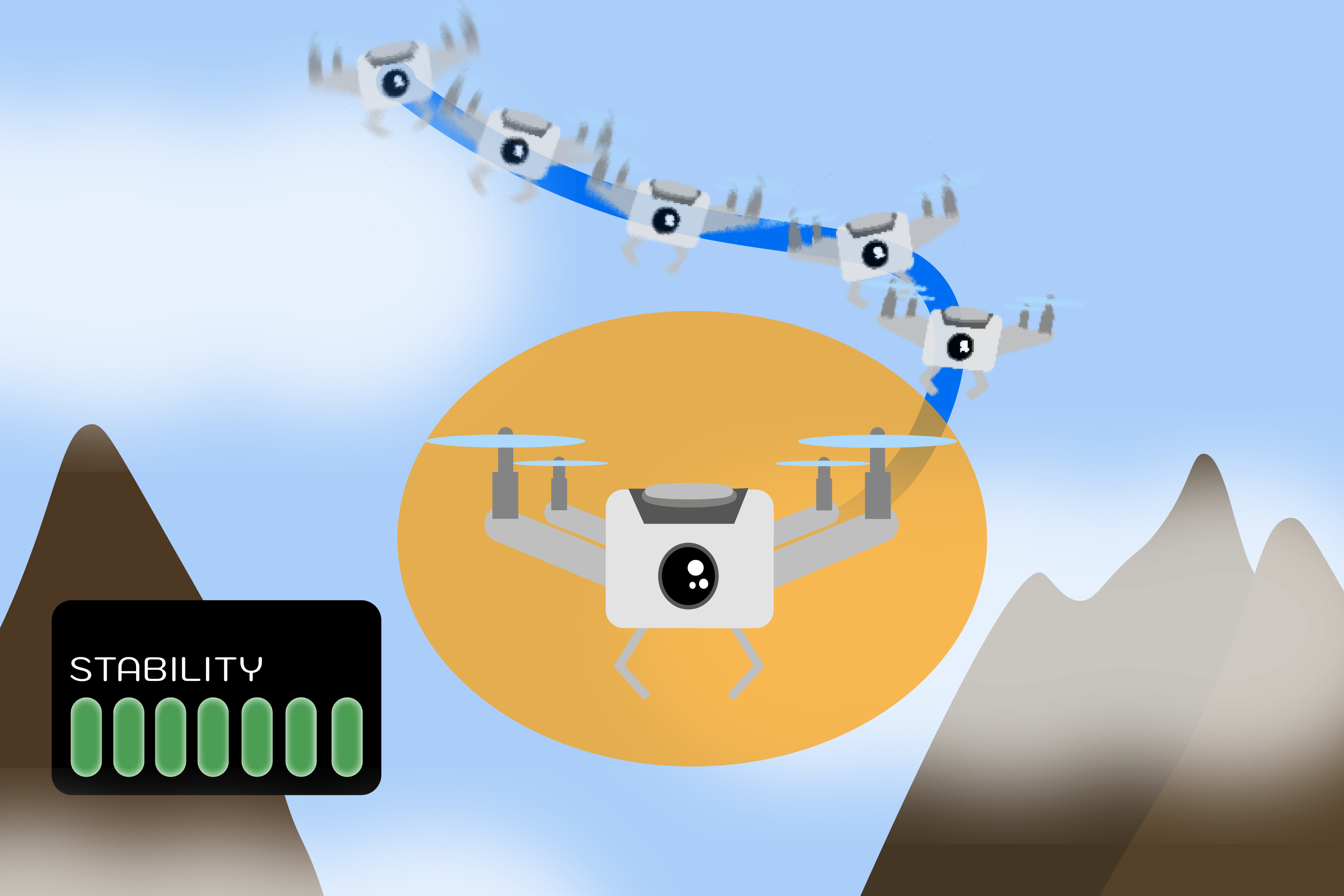
alt="MIT CSAIL researchers helped design a new technique that can guarantee the stability of robots controlled by neural networks. This development could eventually lead to safer autonomous vehicles and industrial robots (Credits: Alex Shipps/MIT CSAIL)."
CSAIL article

Neural networks have made a seismic impact on how engineers design controllers for robots, catalyzing more adaptive and efficient machines. Still, these brain-like machine-learning systems are a double-edged sword: Their complexity makes them powerful, but it also makes it difficult to guarantee that a robot powered by a neural network will safely accomplish its task.