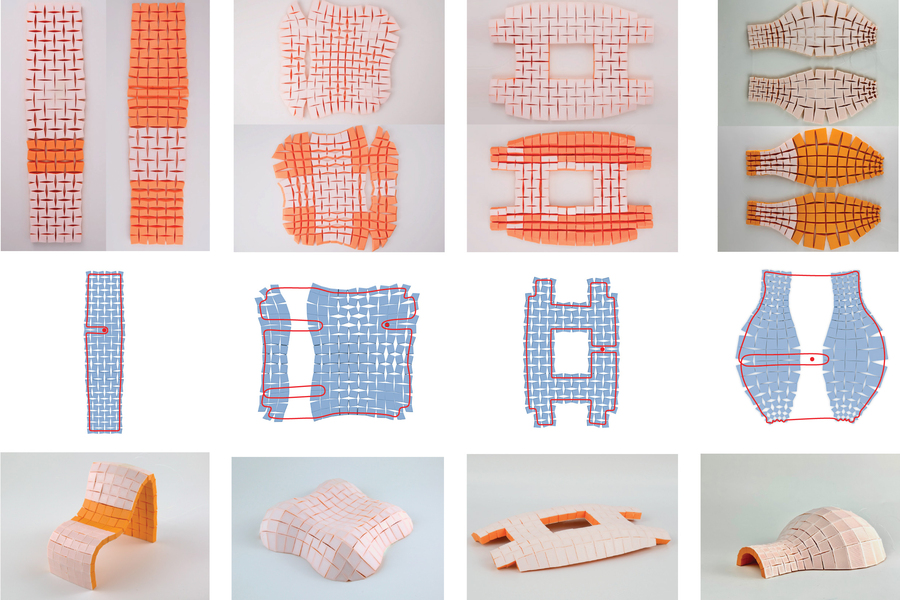
MIT researchers have developed a new method for designing 3D structures that can be transformed from a flat configuration into their curved, fully formed shape with only a single pull of a string.
Most languages use word position and sentence structure to extract meaning. For example, “The cat sat on the box,” is not the same as “The box was on the cat.” Over a long text, like a financial document or a novel, the syntax of these words likely evolves.
To innovate as a technologist, you need to be a polyglot—fluent in multiple languages of problem-solving, able to synthesize ideas across domains, reframing puzzles to visualize different outcomes, and revealing the questions that have yet to be asked.
This MIT IAP credited course is offered by CSAIL Alliances member Sony Interactive Entertainment (the team behind PlayStation). Curious about IAP? Learn more.
Even networks long considered “untrainable” can learn effectively with a bit of a helping hand. Researchers at MIT’s Computer Science and Artificial Intelligence Laboratory (CSAIL) have shown that a brief period of alignment between neural networks, a method they call guidance, can dramatically improve the performance of architectures previously thought unsuitable for modern tasks.
Say a person takes their French Bulldog, Bowser, to the dog park. Identifying Bowser as he plays among the other canines is easy for the dog-owner to do while onsite.
Moderated by Lily Lyman, Partner @ Underscore_VC, join us for an afternoon discussion with ventures Pagos Solutions, Transfyr, and TetraScience. Questions will range from idea formation, company building at an early stage, seeking VC funds, process interacting with VCs like Underscore, lessons learned, and growing ventures. Come with your own questions and to enjoy a great event!
In part 2 of our two-part series on generative artificial intelligence’s environmental impacts, MIT News explores some of the ways experts are working to reduce the technology’s carbon footprint.